Techniques for Light and Shadow in Art Composition
Light and shadow are fundamental elements in art composition lighting. They create depth, mood, and focus, transforming a flat image into a dynamic visual story. Understanding how to manipulate light and shadow can elevate your artwork, whether you are painting, drawing, or photographing. This article explores practical techniques and concepts to help you master the interplay of light and shadow in your compositions.
Understanding Art Composition Lighting: The Basics
Art composition lighting is about controlling how light interacts with your subject and environment. It involves the direction, intensity, and quality of light, which all influence the shadows cast and the highlights created. Here are some key points to consider:
Light Direction: The angle from which light hits the subject affects the shape and length of shadows. Side lighting creates strong contrasts, while front lighting softens shadows.
Light Intensity: Bright light produces sharp, defined shadows. Diffused light, such as on a cloudy day, results in softer shadows.
Light Quality: Hard light comes from a small, focused source like the sun or a spotlight. Soft light comes from larger sources or through diffusion materials.
By experimenting with these factors, artists can guide the viewer’s eye, emphasize textures, and create a sense of volume.

Techniques for Effective Art Composition Lighting
To create compelling compositions, artists use various techniques to manipulate light and shadow. Here are some practical methods:
1. Chiaroscuro
Chiaroscuro is a technique that uses strong contrasts between light and dark to model three-dimensional forms. It originated during the Renaissance and is still widely used today.
Use a single light source to create dramatic shadows.
Emphasize the contours of the subject by placing shadows strategically.
Balance the composition by ensuring the dark and light areas complement each other.
2. Tenebrism
Tenebrism is an extreme form of chiaroscuro where darkness dominates the composition, and light is used sparingly to highlight key elements.
Focus light on the main subject to draw attention.
Surround the subject with deep shadows to create mystery.
Use this technique for emotional or dramatic storytelling.
3. Silhouetting
Silhouetting involves placing the subject between the light source and the viewer, rendering the subject as a dark shape against a bright background.
Position the light behind the subject.
Avoid front lighting to maintain the silhouette effect.
Use this technique to emphasize shape and outline rather than detail.
4. Cast Shadows
Cast shadows add realism and depth by showing how objects block light.
Observe how shadows fall naturally in your environment.
Use cast shadows to anchor objects to the ground or surface.
Experiment with shadow shapes to add interest or guide the viewer’s eye.
5. Reflected Light
Reflected light is the light that bounces off surfaces and illuminates shadowed areas.
Incorporate reflected light to soften shadows and add subtle highlights.
Use nearby surfaces with different colors to create interesting light effects.
This technique adds complexity and realism to your work.
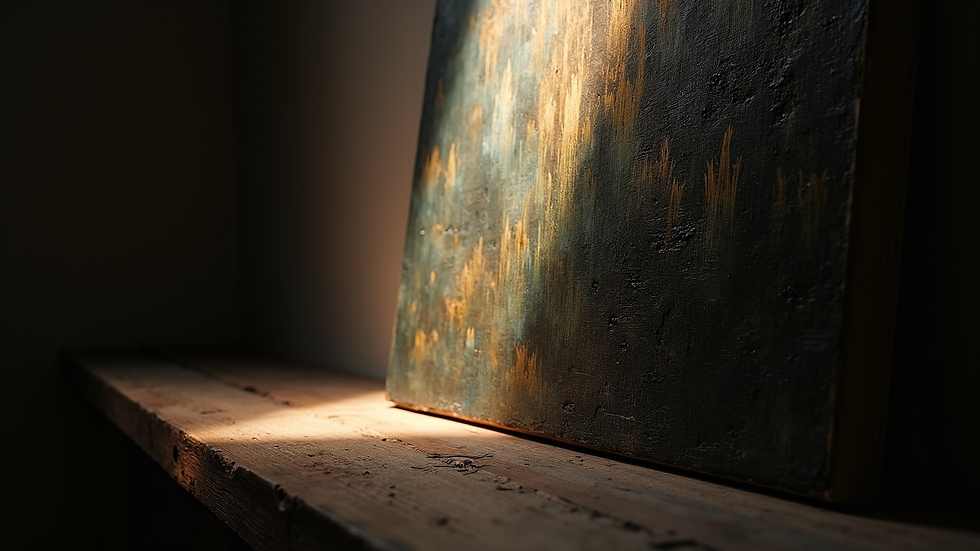
What is the light and shadow effect in art?
The light and shadow effect in art refers to the visual impact created by the interaction of illumination and darkness within a composition. This effect helps to:
Create Depth: Shadows give objects volume and make them appear three-dimensional.
Set Mood: Soft shadows can evoke calmness, while harsh shadows can create tension or drama.
Direct Focus: Bright areas attract attention, while shadows can hide or de-emphasize parts of the composition.
Enhance Texture: Light grazing across surfaces reveals texture and detail.
Artists use this effect to tell stories and evoke emotions. For example, Rembrandt’s portraits often use subtle light and shadow effects to reveal character and mood.
Understanding this effect is essential for mastering light and shadow in art, as it allows artists to manipulate perception and create compelling visuals.
Practical Tips for Using Light and Shadow in Your Art
Here are actionable recommendations to improve your use of light and shadow:
Start with a Strong Light Source
Choose a clear direction for your light. Natural sunlight or a single lamp can help you observe how shadows behave.
Use Sketches to Plan Shadows
Before finalizing your work, sketch the light and shadow areas. This helps in visualizing the composition.
Experiment with Different Times of Day
Natural light changes throughout the day, offering various shadow lengths and intensities. Early morning and late afternoon light are often warm and soft.
Incorporate Multiple Light Sources
Using more than one light source can create complex shadow patterns and add interest.
Observe Real Life
Study how light interacts with objects around you. Take photos or make quick sketches to capture interesting light-shadow relationships.
Use Contrast to Your Advantage
High contrast can create drama, while low contrast can produce a peaceful atmosphere. Decide what mood you want to convey.
Balance Light and Shadow
Avoid overly dark or overly bright areas that can distract or confuse the viewer. Aim for harmony.

Enhancing Your Art Composition Lighting Skills
Improving your skills in art composition lighting requires practice and study. Here are some ways to deepen your understanding:
Study Masterworks: Analyze paintings and photographs known for their use of light and shadow. Notice how artists like Caravaggio and Vermeer use lighting to tell stories.
Take Lighting Workshops: Hands-on experience with lighting setups can teach you how to control shadows effectively.
Use Digital Tools: Software like Photoshop or Procreate allows you to experiment with light and shadow without physical materials.
Practice Regularly: Set up still life scenes with different lighting conditions and draw or paint them.
Seek Feedback: Share your work with peers or mentors to get constructive criticism on your use of light and shadow.
By consistently applying these techniques and tips, you will develop a keen eye for art composition lighting and create more engaging and dynamic artworks.
Mastering the techniques of light and shadow in art composition lighting opens up endless creative possibilities. Whether you aim for dramatic contrasts or subtle gradations, understanding how to manipulate light will enhance your artistic expression and captivate your audience. Keep exploring, experimenting, and observing the world around you to bring your compositions to life.


